

By Sofia Galli
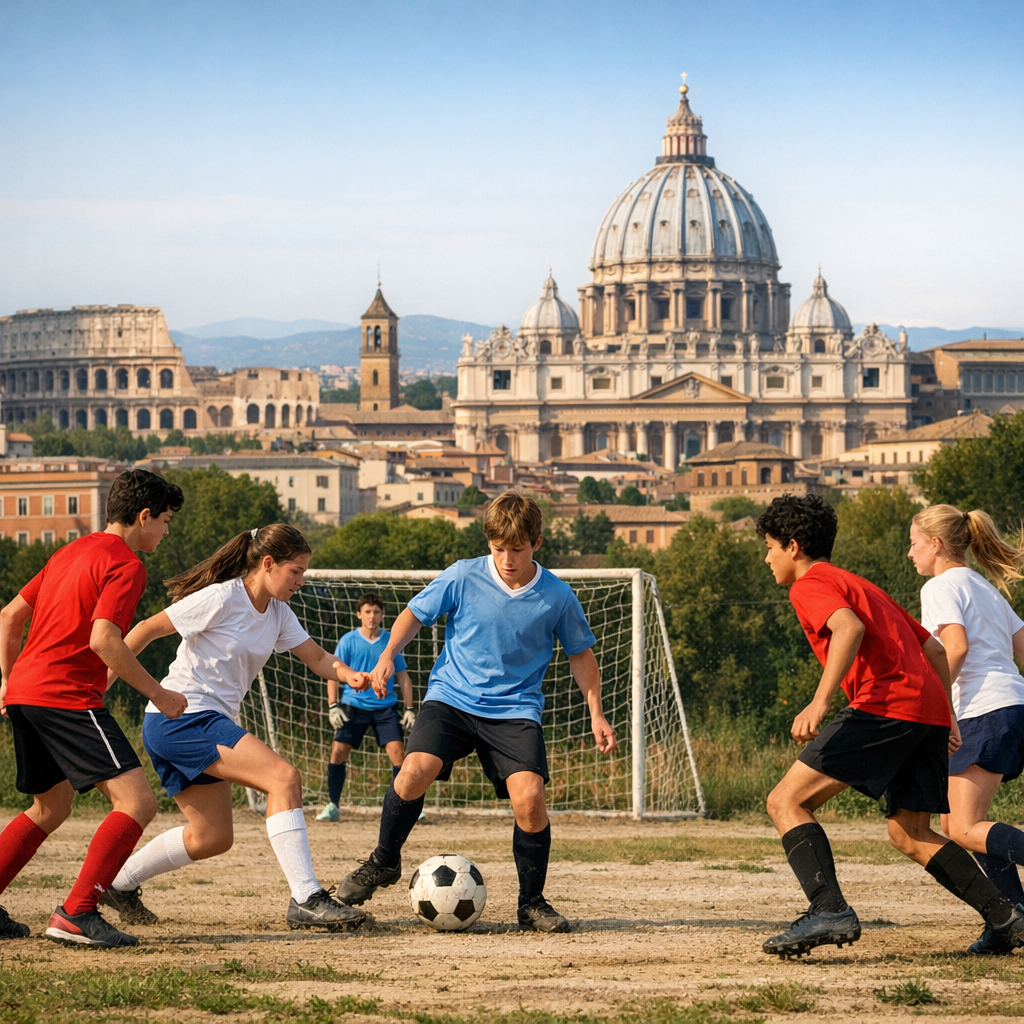
In Rome, sport is more than a pastime: it’s a cornerstone of community, education, and identity—across national teams and grassroots programs alike. Whether you’re a parent, student, or coach, there’s room here to play, learn, and grow.
National Focus: Italy’s Football Landscape and Beyond
The Italian Football Federation (FIGC) has recently undertaken a structural rebuild for the men’s national team. Following missed qualification for major tournaments, the federation is pairing experienced leadership with youth development to restore competitive momentum on the international level. This broader reform shows a renewed commitment to sustainable success, not instant fixes.
Meanwhile, inclusion and sustainability have become priorities. Nationwide campaigns and organizational shifts are elevating grassroots programs across the country—with special attention to reaching underserved communities and promoting women’s participation in sports.
Local Schools & Community Athletics: Opportunities in Rome
Marymount International School
Marymount offers middle and high school athletes access to both individual and team sports. Their middle school curriculum includes tennis, swimming, athletics, volleyball, basketball, and soccer—all under supervision from experienced instructors linked to national federations. In high school, varsity teams compete with both local clubs and international schools.
Rome City Institute (Prep Academy)
This U.S.-accredited high school in Rome combines rigorous academics with elite sports. Students can train year-round in sports ranging from soccer and volleyball to tennis and American football. The Institute organizes its own community league (ECL—Empire Collegiate League) using a “house” system to promote team spirit and friendly competition among its students.
American Overseas School of Rome (AOSR)
High schoolers at AOSR participate in a full seasonal schedule: fall sports like volleyball and cross country, winter basketball, and soccer and track & field in the spring. All programs emphasize not just skill-building but character, accountability, and balance between academics and competition.
Building on Shared Values: What Matters Most
Rome’s sports culture shares some central values across schools and community programs:
- Sport as education: Athletic programs aren’t detached—they’re integral to learning about teamwork, resilience, and leadership.
- Access and opportunity: Collaboration with national federations and community groups ensures that more young people—regardless of background—can take part.
- Balanced growth: Emphasis is placed on mental and physical health, not just winning—through structured seasons, coaching, and support systems.
Advice for Student-Athletes and Families
If you’re navigating the sports world in Rome—whether as a player aiming higher or a family supporting someone who does—here are key steps:
- Seek programs that combine strong coaching with academic flexibility.
- Don’t overlook community or school-based leagues—these can be gateways to more competitive play.
- Check what federative affiliation a club or program has, especially for sports like swimming, tennis or volleyball where regulation impacts eligibility.
- Prioritize long-term development over short-term success—injuries, burnout, or shifting priorities all matter.
Ultimately, Rome’s sports scene—from national teams to local high school courts—is moving toward a more inclusive, supportive, and future-minded model. The city’s energy is translating into real chance: for young athletes to shine, for teams to grow stronger, and for communities to stay connected through sport.