

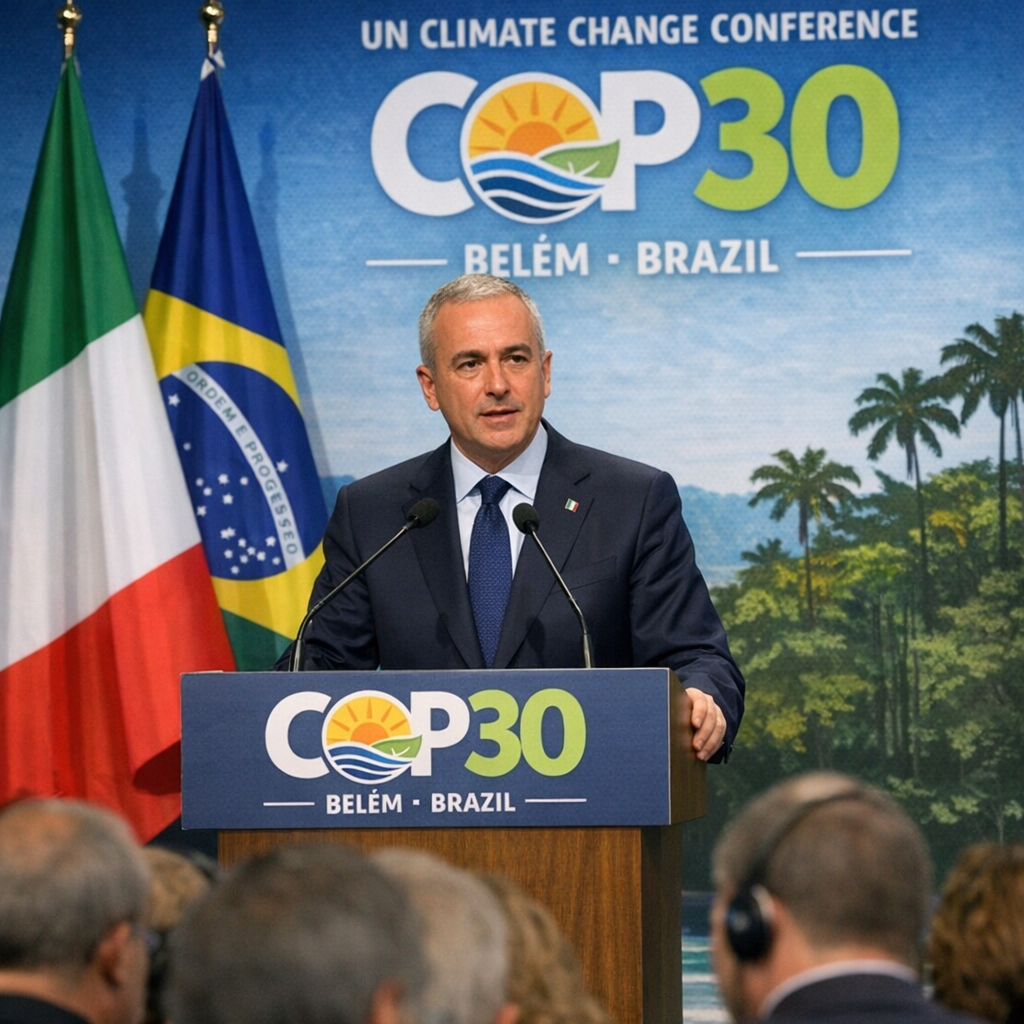
Italy has emerged as a proactive participant in global climate initiatives, demonstrating a commitment to environmental sustainability through comprehensive policies, significant financial contributions, and active engagement in international forums.
National Policies and Commitments
Italy’s National Energy and Climate Plan (NECP) outlines the country’s strategy to achieve climate neutrality by 2050. The plan sets a target to reduce greenhouse gas emissions by 55% by 2030 compared to 1990 levels. This ambitious goal reflects Italy’s dedication to aligning with the European Union’s climate objectives and the Paris Agreement.
Financial Contributions to Climate Action
In recent years, Italy has significantly increased its financial support for global climate action. The Italian Climate Fund, established in 2022, is a primary instrument dedicated to financing climate mitigation and adaptation measures in partner countries. With a budget of €4.4 billion, the fund supports projects addressing the causes and effects of climate change, emphasizing initiatives in developing nations.
At the COP30 climate conference in Belém, Brazil, in November 2025, Italy announced an increase in its climate finance contributions, totaling €3.4 billion. This amount surpasses the G20 target and includes both public resources and private funds mobilized through public instruments. The funds are allocated to various projects, including participation in multilateral funds and initiatives aimed at promoting sustainable fuels and energy transition.
International Engagement and Leadership
Italy actively participates in major international climate conferences, such as the Conferences of the Parties (COPs) to the United Nations Framework Convention on Climate Change (UNFCCC). At COP30, Italy co-promoted the “Belém 4X Pledge on Sustainable Fuels,” an initiative aimed at quadrupling the production of sustainable fuels by 2035 compared to 2024 levels. This commitment underscores Italy’s leadership in seeking innovative solutions for a sustainable energy future.
Furthermore, Italy’s climate diplomacy focuses on raising awareness and fostering collaboration among major CO2 emitters in international forums like the G7, G20, and UNFCCC. The country emphasizes the importance of climate finance, particularly in supporting developing countries, and advocates for youth leadership in climate action.
Challenges and Future Outlook
Despite these efforts, Italy faces challenges in fully meeting its climate targets. The Climate Change Performance Index 2026 ranked Italy 46th, indicating areas for improvement, particularly in renewable energy adoption and climate policy implementation. The country’s energy policy remains heavily dependent on fossil fuels, and there is a need for a clear action plan to phase out fossil fuel subsidies.
To address these challenges, Italy is focusing on increasing the share of renewables in its energy mix, enhancing energy efficiency, and implementing sustainable land-use practices. The government is also working on updating its National Adaptation Strategy to better cope with the impacts of climate change.
In conclusion, Italy’s active participation in global climate initiatives, substantial financial commitments, and leadership in international collaborations highlight its dedication to combating climate change. Continued efforts to implement ambitious policies and address existing challenges will be crucial for Italy to achieve its climate goals and contribute effectively to global sustainability.